The Role of Nutrition in Hair Growth
Nov 20, 2026
Overview
If you're looking to improve your hair health, understanding the connection between nutrition and hair growth is crucial. A balanced diet rich in essential nutrients like biotin, vitamins, and minerals can significantly enhance hair growth and overall vitality. By making informed dietary choices and incorporating specific foods, you can create an environment that supports healthy hair throughout its growth cycle.
Table of Contents
- Understanding Hair Growth
- The Phases of Hair Growth
- Essential Nutrients for Hair Growth
- Key Nutrients for Healthy Hair
- Foods Rich in Essential Nutrients
- The Impact of a Balanced Diet on Hair Health
- How Diet Affects Hair Growth
- Sample Meal Plan for a Week That Supports Hair Health
- Supplements: Are They Necessary?
- Filling Nutritional Gaps
- Consulting with a Healthcare Provider
- Checklist for Evaluating Your Need for Supplements
- Lifestyle Factors Influencing Hair Growth
- Stress Management Techniques
- Regular Exercise
- The Importance of Sleep
- Common Myths About Nutrition and Hair Growth
- Myth: Eating Certain Foods Can Instantly Cure Hair Loss
- Myth: All Hair Growth Supplements Are Equally Effective
- Myth: You Can Target Hair Growth in Specific Areas Through Diet
- Fact vs. Myth Comparison Table
Key Takeaways
- Hair Growth Phases: Understand the three phases of hair growth: anagen (active growth), catagen (transitional), and telogen (resting).
- Essential Nutrients: Key nutrients for hair health include biotin, vitamins A, C, D, E, zinc, and iron.
- Balanced Diet: A well-rounded diet rich in essential nutrients is crucial for preventing hair thinning and loss.
- Stress Management: Incorporating stress-reducing techniques like meditation and yoga can support hair growth.
- Regular Exercise: Physical activity enhances blood circulation, delivering nutrients to hair follicles and promoting growth.
- Sleep Importance: Aim for 7-9 hours of quality sleep to support cellular repair, including in hair follicles.
- Consult Professionals: Always consult a healthcare provider before starting supplements to address specific dietary needs.
Understanding the intricate relationship between nutrition and hair growth is essential for anyone looking to enhance their hair health. Hair growth is not just a matter of using the right products; it is significantly influenced by what we consume. In this article, we will explore the hair growth cycle, essential nutrients for hair health, and how a balanced diet can make a difference.
Understanding Hair Growth
Hair growth is a dynamic process that occurs in three distinct phases: anagen, catagen, and telogen. Each phase plays a crucial role in the overall health and longevity of hair.
The Phases of Hair Growth
- Anagen Phase: This is the active growth phase where hair follicles are actively producing hair. It can last for several years, depending on genetics and overall health.
- Catagen Phase: This transitional phase lasts for a few weeks, during which hair growth slows, and the hair follicle shrinks.
- Telogen Phase: This is the resting phase, where hair is no longer growing and will eventually shed. This phase lasts for a few months before the cycle starts again.
Nutrition plays a pivotal role in supporting the anagen phase, where most hair growth occurs. A balanced diet rich in essential nutrients can influence not only the duration of this phase but also the health of hair throughout its lifecycle. For instance, a deficiency in key nutrients can lead to premature shedding during the telogen phase or stunted growth during the anagen phase.
Essential Nutrients for Hair Growth
To foster healthy hair growth, it’s vital to incorporate specific nutrients into your diet. Here are some of the most important nutrients that support hair health:
Key Nutrients for Healthy Hair
- Biotin: Often referred to as vitamin H, biotin is crucial for keratin production, which is a key structural component of hair. Foods rich in biotin include eggs, nuts, and whole grains.
- Vitamins A, C, D, and E: These vitamins contribute to healthy hair follicles. Vitamin A promotes the production of sebum, which keeps hair moisturized. Vitamin C is essential for collagen production, while Vitamin E helps protect hair from oxidative stress.
- Zinc and Iron: These minerals are essential for oxygen transport to hair roots and play a key role in hair tissue growth and repair. Foods such as spinach, lentils, and pumpkin seeds are excellent sources of these minerals.
Incorporating these nutrients into your daily meals can significantly enhance your hair's health and growth potential. Here’s a quick list of foods to include in your diet for healthy hair:
Foods Rich in Essential Nutrients
| Nutrient | Food Sources |
|---|---|
| Biotin | Eggs, nuts, avocados |
| Vitamin A | Carrots, sweet potatoes, spinach |
| Vitamin C | Citrus fruits, strawberries, bell peppers |
| Vitamin D | Fatty fish, fortified dairy products |
| Vitamin E | Almonds, sunflower seeds, spinach |
| Zinc | Oysters, beef, chickpeas |
| Iron | Red meat, lentils, quinoa |
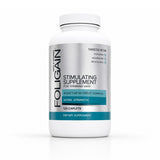
By focusing on a diet rich in these essential nutrients, you can create an environment that supports optimal hair growth. Remember, while supplements like the FOLIGAIN® TOTAL CARE Supplement can be beneficial for those who have dietary gaps, it's always best to aim for a well-rounded diet first.
The Impact of a Balanced Diet on Hair Health
A well-rounded diet is crucial for maintaining healthy hair and promoting growth. Nutrition and hair growth are closely intertwined; a diet lacking in essential nutrients can lead to hair thinning and loss. Understanding how your food choices influence hair health can empower you to make better dietary decisions.
How Diet Affects Hair Growth
To foster an environment conducive to hair growth, it's important to incorporate specific nutrients into your diet. Here are some key nutrients that play a vital role in hair health:
- Omega-3 Fatty Acids: These healthy fats are known for their anti-inflammatory properties and promote scalp health. They can be found in fatty fish like salmon, walnuts, and flaxseeds.
- Biotin: A member of the B-vitamin family, biotin is essential for keratin production, which is a key component of hair structure. Eggs, almonds, and avocados are excellent sources of biotin.
- Vitamins A and C: Both vitamins support healthy hair follicles and overall scalp health. Carrots and sweet potatoes are rich in vitamin A, while fruits like oranges and strawberries provide vitamin C.
- Zinc and Iron: These minerals are crucial for oxygen transport to hair roots, thus supporting hair growth. Foods such as lentils, spinach, and pumpkin seeds are high in zinc and iron.
Incorporating these nutrients into your daily meals can significantly enhance the health of your hair.
Sample Meal Plan for a Week That Supports Hair Health
To give you a practical approach to integrating these essential nutrients into your diet, here’s a sample meal plan for a week:
| Day | Breakfast | Lunch | Dinner | Snacks |
|---|---|---|---|---|
| Monday | Oatmeal topped with walnuts and berries | Quinoa salad with spinach, chickpeas, and avocado | Grilled salmon with sweet potato and steamed broccoli | Carrot sticks with hummus |
| Tuesday | Greek yogurt with honey and almonds | Turkey and spinach wrap with whole grain tortilla | Stir-fried tofu with mixed vegetables over brown rice | Apple slices with peanut butter |
| Wednesday | Scrambled eggs with spinach and whole grain toast | Chicken salad with mixed greens and olive oil dressing | Baked cod with quinoa and asparagus | Handful of mixed nuts |
| Thursday | Chia seed pudding with coconut milk and fruit | Lentil soup with a slice of whole grain bread | Beef stir-fry with bell peppers and broccoli | Celery sticks with cream cheese |
| Friday | Smoothie with spinach, banana, and flaxseeds | Quinoa bowl with black beans, corn, and avocado | Grilled chicken with roasted Brussels sprouts and brown rice | Dark chocolate square with almonds |
| Saturday | Pancakes made with almond flour and topped with berries | Vegetable stir-fry with tofu over whole grain noodles | Stuffed bell peppers with ground turkey and quinoa | Yogurt with granola |
| Sunday | Overnight oats with chia seeds and fruit | Salad with grilled shrimp, mixed greens, and avocado | Roasted chicken with sweet potatoes and green beans | Popcorn with nutritional yeast |
This meal plan highlights a variety of foods that are rich in the essential nutrients for hair growth, ensuring you enjoy a balanced diet while nurturing your hair.
Supplements: Are They Necessary?
While a balanced diet is the foundation of healthy hair, some individuals may still struggle to meet their nutritional needs through food alone. This is where dietary supplements can play a role.
Filling Nutritional Gaps
Supplements can help fill nutritional gaps in your diet, particularly if you have dietary restrictions or specific health concerns. For example, the FOLIGAIN® TOTAL CARE Supplement is designed to nourish hair, skin, and nails from within, featuring a blend of essential nutrients like biotin, collagen, and key minerals.
Consulting with a Healthcare Provider
Before starting any supplement regimen, it's advisable to consult with a healthcare provider. They can help you determine if supplements are necessary based on your individual dietary intake and health goals.
Checklist for Evaluating Your Need for Supplements
To help you decide whether you might benefit from supplements, consider the following checklist:
- Do you follow a restrictive diet (e.g., vegetarian, vegan)?
- Are you experiencing noticeable hair thinning or loss?
- Do you often feel fatigued or low on energy?
- Have you recently undergone significant life changes (stress, illness) that may affect your nutrition?
If you answered "yes" to any of these questions, it may be time to discuss supplementation with a healthcare professional.
Lifestyle Factors Influencing Hair Growth
While nutrition plays a pivotal role in hair health, several lifestyle factors also significantly influence hair growth. Understanding these factors can help you create a holistic approach to maintaining and enhancing your hair's vitality.
Stress Management Techniques
Stress is a well-known contributor to hair loss. When your body is under stress, it can trigger a condition called telogen effluvium, where hair follicles prematurely enter the resting phase, leading to increased shedding. Incorporating stress management techniques into your routine can help mitigate this effect.
- Meditation and Mindfulness: Practicing mindfulness or meditation for even a few minutes daily can help reduce stress levels.
- Yoga: This ancient practice combines physical postures, breathing exercises, and meditation, which can help lower stress and improve overall well-being.
- Deep Breathing Exercises: Simple breathing exercises can calm your mind and reduce anxiety, promoting a healthier environment for hair growth.
Regular Exercise
Physical activity is essential not just for overall health but also for enhancing hair growth. Regular exercise improves blood circulation, which ensures that nutrients are effectively delivered to hair follicles. This increased blood flow can stimulate hair growth and strengthen existing strands.
- Aerobic Activities: Activities such as running, cycling, or swimming can enhance cardiovascular health and improve blood circulation.
- Strength Training: Lifting weights or engaging in resistance training can also boost testosterone levels, which may positively influence hair growth.
- Consistency is Key: Aim for at least 150 minutes of moderate aerobic activity each week, combined with strength training exercises on two or more days.
The Importance of Sleep
Sleep is crucial for overall health, including hair growth. During sleep, your body repairs and regenerates cells, including those in your hair follicles. Lack of sleep can lead to increased levels of cortisol, the stress hormone, which can negatively impact hair growth.
- Aim for 7-9 Hours: Most adults need between 7 to 9 hours of quality sleep each night to function optimally.
- Establish a Sleep Routine: Going to bed and waking up at the same time each day can improve your sleep quality.
- Create a Relaxing Environment: Keep your bedroom dark, quiet, and cool to enhance your sleep quality.
Incorporating these lifestyle changes can significantly contribute to healthier hair. By managing stress, exercising regularly, and ensuring adequate sleep, you create a supportive environment for hair growth, complementing your nutritional efforts.
Common Myths About Nutrition and Hair Growth
With so much information available, it’s easy to fall prey to myths regarding nutrition and hair health. Let’s debunk some common misconceptions to help you make informed decisions about your hair care routine.
Myth: Eating Certain Foods Can Instantly Cure Hair Loss
While a balanced diet rich in essential nutrients is vital for hair health, no single food can serve as a magic bullet for hair loss. Hair growth is a complex process influenced by various factors, including genetics, hormonal balance, and overall health. Incorporating a variety of nutrient-rich foods, such as those high in vitamins and minerals, is crucial for supporting hair growth over time.
Myth: All Hair Growth Supplements Are Equally Effective
Not all hair growth supplements are created equal. The effectiveness of a supplement depends on its formulation and the specific needs of the individual. For example, the FOLIGAIN® TOTAL CARE Supplement includes a blend of essential nutrients designed to support hair, skin, and nails. However, it’s essential to consult with a healthcare provider to determine if supplements are necessary for your specific dietary needs.
Myth: You Can Target Hair Growth in Specific Areas Through Diet
Another common misconception is that you can target hair growth in specific areas of the scalp by consuming specific foods. Unfortunately, hair growth occurs uniformly across the scalp and is affected by overall health and nutrition rather than isolated dietary changes. Maintaining a balanced diet rich in essential nutrients is the best approach to promote healthy hair growth throughout.
Fact vs. Myth Comparison Table
| Myth | Fact |
|---|---|
| Eating certain foods can instantly cure hair loss. | No single food can cure hair loss; a balanced diet is essential. |
| All hair growth supplements are equally effective. | Supplement effectiveness varies based on formulation and individual needs. |
| You can target hair growth in specific areas through diet. | Hair growth is uniform and influenced by overall health, not isolated foods. |
By dispelling these myths, you can focus on evidence-based practices that promote hair health. Remember, a combination of proper nutrition, lifestyle adjustments, and informed choices is the key to achieving the best results for your hair.
Frequently Asked Questions
1. What are the main phases of hair growth?
2. How does nutrition affect hair growth?
3. What nutrients are essential for healthy hair growth?
4. Can dietary supplements help with hair growth?
5. What lifestyle factors influence hair growth?
Glossary
| Term | Meaning |
|---|---|
| Anagen Phase | The active growth phase of hair where follicles produce hair. |
| Catagen Phase | A transitional phase lasting a few weeks where hair growth slows. |
| Telogen Phase | The resting phase of hair, where it eventually sheds after a few months. |
| Biotin | A B-vitamin essential for keratin production, vital for hair structure. |
| Omega-3 Fatty Acids | Healthy fats that promote scalp health and reduce inflammation. |
| Zinc | A mineral crucial for oxygen transport to hair roots, aiding growth. |
| Iron | A mineral necessary for hair tissue growth and repair. |
| Stress Management | Techniques to reduce stress, which can adversely affect hair growth. |
| Collagen | A protein that supports hair structure and health. |
| Supplements | Products that can fill nutritional gaps in the diet for hair health. |
Linked Product

FOLIGAIN® TOTAL CARE Supplement for Thinning Hair, Skin & Nails 60 Vegetarian Capsules
The FOLIGAIN® TOTAL CARE Supplement for Thinning Hair, Skin & Nails provides a comprehensive beauty support formula designed to nourish hair, skin, and nails from within. With key ingredients like biotin, collagen, and MSM, it aims to promote healthier-looking hair and stronger nails, while also enhancing the appearance of skin. This vegetarian-friendly supplement includes a proprietary blend of antioxidants for optimized absorption, making it a convenient addition to your daily beauty routine.
View Product